

Podcast
The Future of Trade Why Interoperability is Crucial for Free Markets on the XRPL
Squid simplifies cross-chain crypto by providing interoperability infrastructure that connects the XRP Ledger and its EVM Sidechain to over 80 other blockchains. By integrating with fiat rails and DeFi protocols, it enables developers and users to seamlessly swap assets, manage lending, and trade perps across diverse ecosystems in a single click.

Squid builds products to make crypto magnetically simple, with a focus on interoperability and multi-chain user experience. We maintain infrastructure for hundreds of B2B partners, and have a consumer app with 25,000 monthly active users. Squid is live on both XRPL and the XRPL EVM Sidechain.
INTEROPERABILITY AND WHY IT MATTERS
Interoperability is the ability for two parties to interact with each other in rich, complex ways. Interoperability is when users, smart contracts, native applications like DEXs and lending, and even off-chain fiat businesses, plug into each other in a modular way to get things done. Decentralized interoperability is when they can do this without first needing the permission of a third party.
Why bother with interoperability in the real world?
Interoperability is required for free trade. Free markets mean better prices, less value extraction by gatekeepers and lower barriers to entry for innovators. Crypto is an incredible technology that enables free markets, but the biggest limitation of crypto right now is interoperability (the other being regulation).
Interoperability in crypto is a spectrum.
It can span from simply sending a peer-to-peer crypto transfer to anyone on XRPL; to smart contracts on XRPL talking to contracts on the XRPL EVM; or an AI agent using crypto to pay a business for services in fiat currency. Squid views solving crypto interoperability as a long journey, with many problems and technologies involved along the way.
Where does Squid focus?
Squid focuses on one main problem: cross-chain interoperability. This means building products and user experiences using assets and modules from different blockchains. Crypto now has hundreds of functioning blockchains, each with their own ecosystem of businesses. In order to build the best applications, developers need to utilize the best from each ecosystem.
Phantom is an example of an app which is using cross- chain interoperability well today. Their self-custodial wallet now supports spot exchange across EVM chains, Solana and Bitcoin, perp trading from Hyperliquid, prediction markets from Polymarket, debit cards from Rain. Phantom has a huge team, and we’re on a mission to make this collage of features possible for single-dev teams to do.
THE CORE PRIMITIVES OF CROSS-CHAIN INTEROPERABILITY
Custody and account management
Custody and wallets encounter two main challenges regarding interoperability. The first is supporting multiple signature schemes, the second maintaining a unified and user friendly experience across all chains. This means gasless transactions, a single surface for security/seed phrases/login, updating to the latest gas pricing, RPCs and transaction type change on every chain. Squid puts a lot of effort in this domain, keeping user experience smooth, uniform and secure across many different environments.
Fiat, the last frontier of interoperability
The vast majority of economic activity still happens off-chain, and the only way forwards is to improve the integration of crypto with fiat business. There are many fiat/crypto providers who do amazing work, such as Rain, Bridge and Wirex supporting debit cards, and teams like Ripple on the institutional fiat/crypto side. While these teams focus on seamless fiat/crypto rails, they are faced with the additional challenge of building infrastructure for multiple chains. Squid is addressing this by building adapters for Squid’s products with fiat/crypto rails, aiming to provide direct access from fiat to any chain or token.
HOW INTEROPERABILITY AFFECTS PERPS AND LENDING
Perp trading
Squid allows you to easily deposit and withdraw margin from all perp exchanges. For instance, if you hold RLUSD, you will be able to deposit USDC to Hyperliquid in one click through Squid. Interoperability tools are also useful for traders looking to re-allocate capital between exchanges.
Lending
Cross-chain allows lenders to deploy their capital on any lending market in crypto with ease. By using Squid, an app developer can offer a user Aave lending products and lending on XRPL’s native protocol in the same interface, like magic.
Good interoperability is crucial for the success of crypto. Squid is tackling interoperability across exchange, payments, DeFi, fiat, custody and app UX, with the dream of building a world where crypto can be used seamlessly in daily life. Through interoperability, developers will be able to pull the best products from each ecosystem like XRPL to build a new generation of finance apps.
Keep reading
More from Insights

Listen
On-Chain Finance - Interview with RedotPay
Taylor Bossung, Head of Corporate Affairs at RedotPay, joins Odelia Torteman, Head of Digital Assets at XRPL Commons, to explain how the XRP Card works, why RedotPay built on the XRP Ledger, and what the product means for payments and on-chain commerce.
Listen
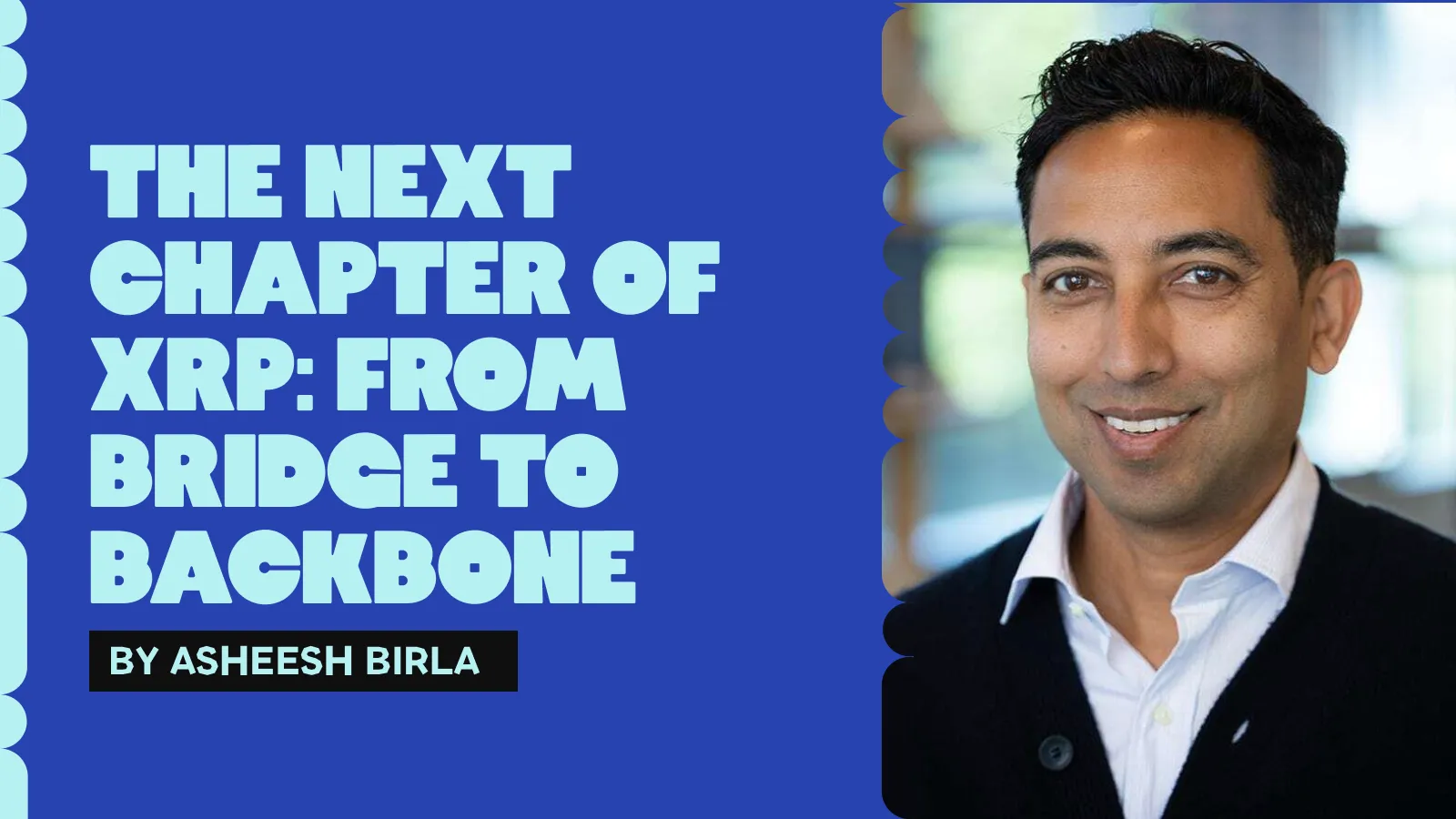
The Next Chapter of XRPL: From Bridge to Backbone
The XRP Ledger is evolving from a simple payments bridge into a sophisticated capital market where XRP serves as productive, institutional-grade collateral for lending and tokenized assets. By bridging public market capital with on-chain primitives, Evernorth aims to provide regulated exposure that enhances capital efficiency and scales liquidity across the ecosystem.
Listen
How to Enter the XRPL Ecosystem as a Builder
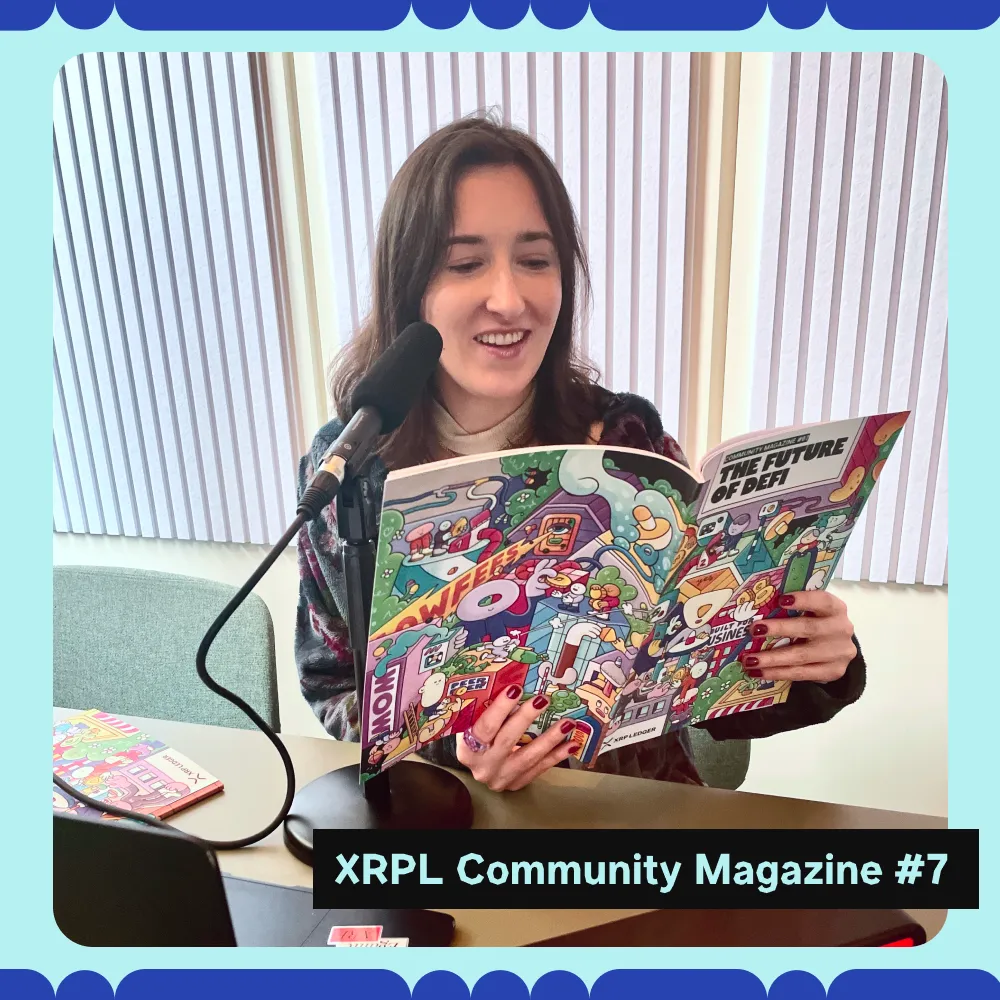
Success on the XRPL isn't about chasing trends — it's about conviction, consistency, and community. Solène Daviaud, founder of Dev3pak, shares her blueprint for builders who want to actually make it in the XRPL ecosystem.Read by Zsofi Borsi, Editor in Chief of the XRPL Community Mag and Head of Community Engagement at XRPL Commons.